
Booking Software for Skip Hire
How skip hire firms can take bookings online with per-size pricing, payment before the lorry rolls and reminders before every drop.
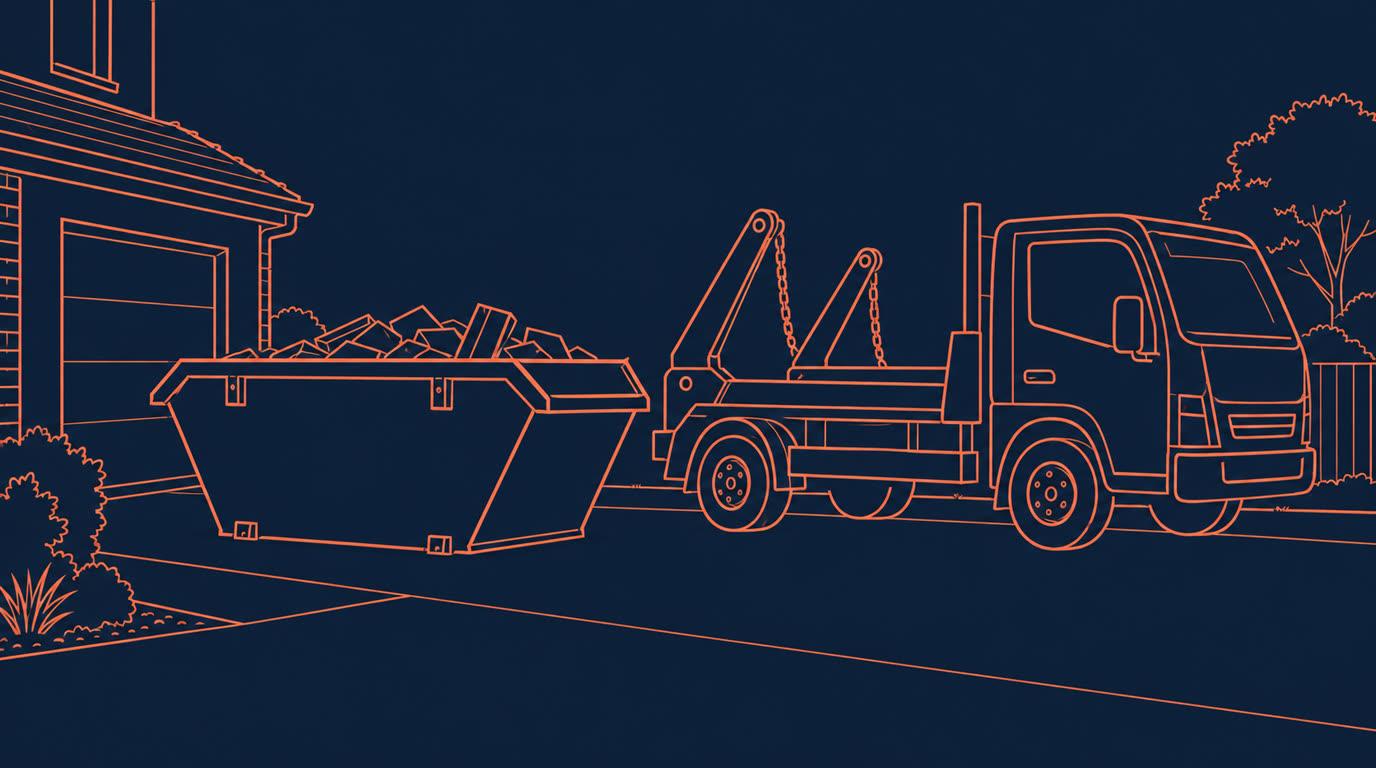
Skip hire runs on two appointments per job: the drop-off and the collection. Between them sits a driveway, a permit if the skip touches the road, and a customer who fills it faster than they said they would. The phone version of this is a diary full of crossed-out dates.
A booking page holds both ends of the job.
Drop-off is a bookable product
List the skips as named booking options with their own durations and prices: a 4-yard for a bathroom rip-out, a 6-yard for a house clearance, an 8-yard for the full renovation. Up to three options with photos cover the ordinary round, and the booking notes collect what decides the delivery: the postcode, where the skip sits, and whether a council permit is needed for the road.
Payment at booking goes straight to your own Stripe, PayPal or Razorpay account, and a paid drop-off is a skip that actually gets loaded onto the lorry. For longer hires you can take a smaller booking fee and settle the balance directly with the customer at collection.
Collection follows the fill
Buffer time between drops, set in 5-minute steps, is where the permit checks and the yard runs happen. A reminder lands 15, 30 or 60 minutes before the slot, by email or WhatsApp depending on your plan. That reminder gets the car moved and the gates open before the lorry arrives.
When a customer fills the skip early, you agree the earlier collection directly, and the diary moves with it. Google Calendar sync blocks booking times against your existing events.
The honest limit
The page books standard skips on private land, and it should. Asbestos, plasterboard-only loads, fridges and anything hazardous are priced and handled separately, because the disposal route decides the cost. Roadside permits for difficult streets stay a conversation before the booking.
The garage has been full for a year. Booking the skip should take a minute.